The arrival of a newborn
July 9, 2025 at 11:41 am,
No comments
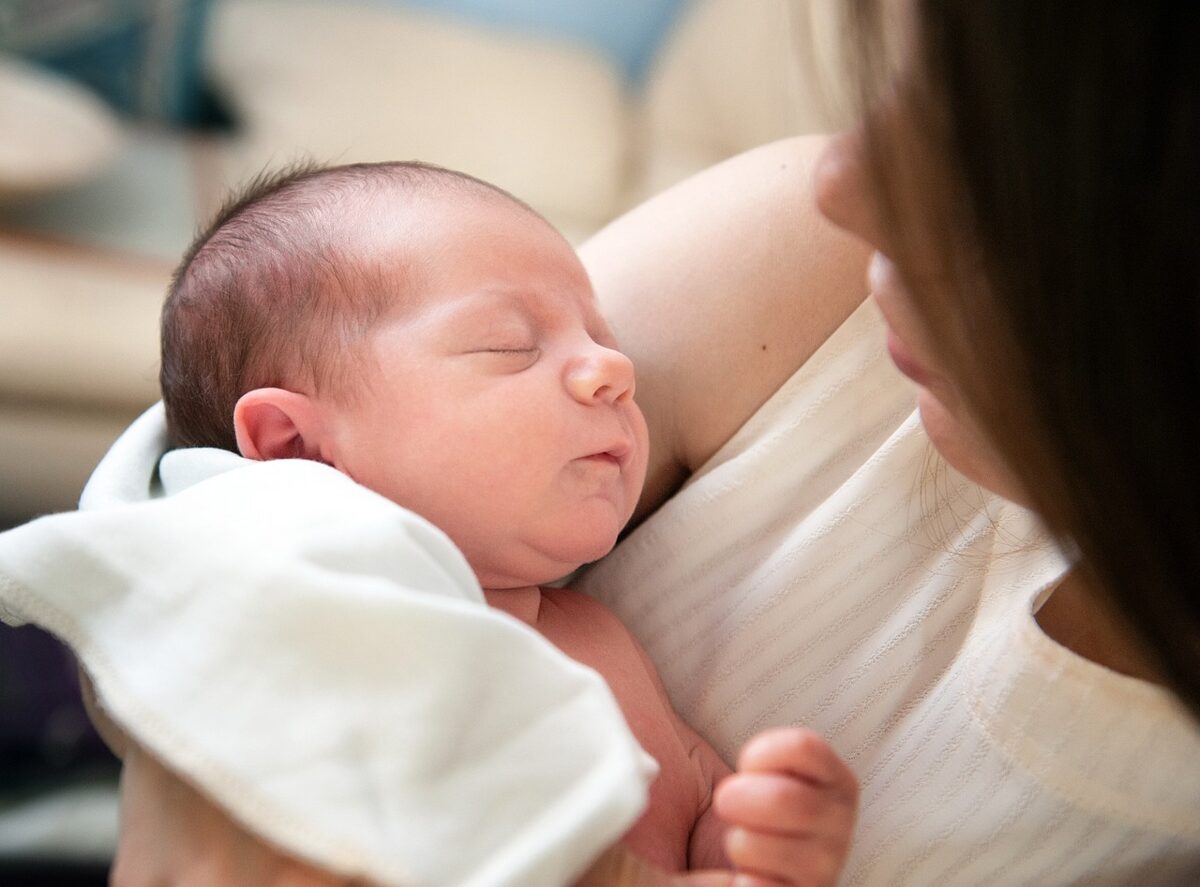
The arrival of a newborn is a moment filled with joy and anticipation, especially for mothers who eagerly await the first words their child will utter. This seemingly simple milestone holds profound significance not only for the child but also for the parents. It is a rite of passage that signifies the onset of communication, creating an emotional bond that nurtures family dynamics.
In many cultures, there are charming beliefs surrounding these first words. For instance, my grandmother often recounted a traditional saying: if the baby’s first word is “mama,” it foretells that the next child will be a girl, whereas if they say “papa,” a boy will follow. These types of folklore reflect the hopes and dreams parents hold for their children, embedding the first words with layers of meaning that transcend mere language.
The utterance of these initial syllables is more than just a linguistic achievement; it represents the beginning of a lifelong journey of expression. Each time a mother hears her child say "mama" or "papa," it reinforces her role in the child's life, while simultaneously impacting the father’s identity within the family. These moments are not fleeting; they are cherished memories that become part of the family narrative.
Moreover, the first words often serve as a prelude to a child's developing personality. Children begin to explore their environment and express their needs and emotions through language, fostering a sense of independence. As they grow, these early expressions shape their interactions with the world, making those initial utterances unforgettable milestones in their development.
Ultimately, the first words spoken by our children mark a pivotal moment in the lives of both parents and their little ones. They become landmarks in the journey of parenthood, forever etched in memory. The joy of hearing a child articulate their affection or need lays the foundation for a rich tapestry of communication and connection that will flourish as they grow.
By Lidia Elisheva